

Simplify Family Clothing Shopping: A Practical Guide
Table of Contents
- Step 1: Conduct a Closet Audit and Declutter
- Step 2: How to Build a Capsule Wardrobe for Families
- Step 3: Best Practices for Seasonal Clothing Rotation
- Step 4: Create a Family Clothing Inventory System
- Step 5: Minimalist Family Clothing Tips for Smart Shopping
- Step 6: Shop with Purpose, Plan Before You Buy
- Step 7: Manage Hand-Me-Downs and Sustainable Disposal
- Frequently Asked Questions
Last Updated: September 20, 2026
Step 1: Conduct a Closet Audit and Declutter
The first move toward simplifying family clothing shopping is to understand what you already own. A closet audit reveals duplicates, items that no longer fit, and pieces that haven't been worn in months. This foundation matters because you can't build a simplified wardrobe on top of clutter.
Start by pulling everything out. Yes, everything. Lay clothes on your bed, sort by person, and be honest about what stays. Items that fall into these categories should go: outgrown pieces, damaged items, anything you haven't worn in a year, and duplicates you don't need. This isn't about minimalism for its own sake, it's about clarity. When you know exactly what's in your closet, you stop buying things you already have.
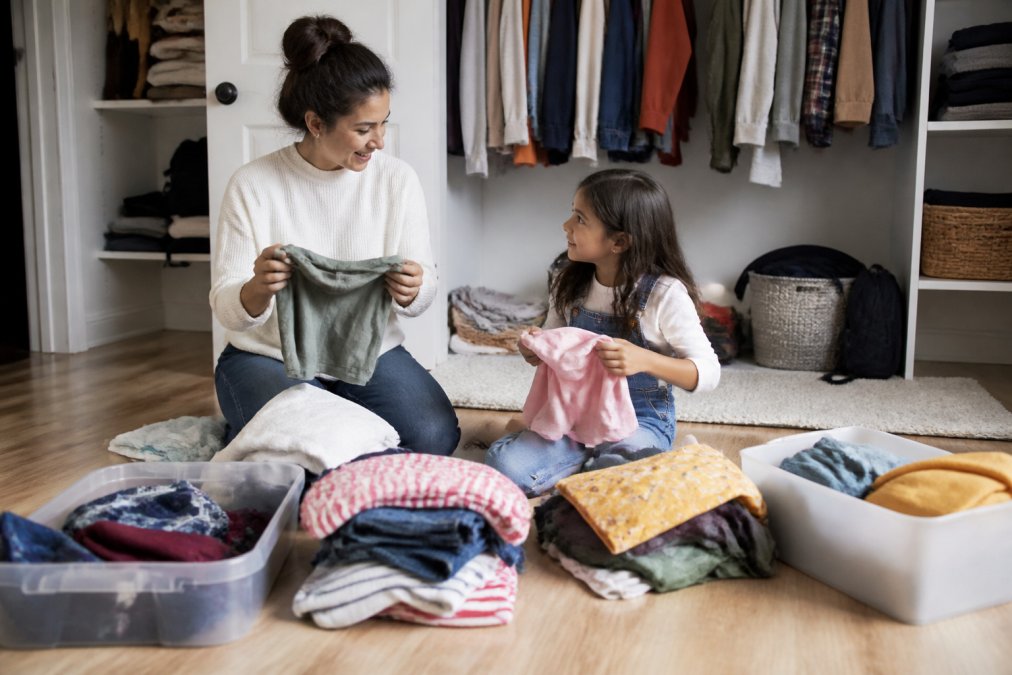
Create three piles: keep, donate, and sell. Items in good condition can be listed on resale platforms or donated to local charities. This step matters more than most parents realize, sustainable disposal of outgrown clothes reduces waste and can offset future shopping costs. Many families find that reselling kids' clothing covers a portion of new purchases, especially for items like the Kids Shorts Set 2-Piece that hold up well through multiple wearers.

Once you've decluttered, measure your closet space. Know your storage capacity before you shop. This prevents the cycle of buying, cramming things in, and forgetting what you own.
Step 2: How to Build a Capsule Wardrobe for Families
A capsule wardrobe is a curated collection of essential pieces that mix and match easily. For families, this approach eliminates decision fatigue and reduces shopping trips. The goal is quality basics that work together across seasons.
Start with neutral foundation pieces: plain t-shirts, jeans, simple sweaters, and basic shorts. These items anchor outfits and pair with almost everything. For kids, neutral basics mean fewer outfit combinations to manage. For adults, they create a reliable base for work and daily life.
Add 3-5 accent pieces per person per season. These are items with color or pattern that work with your neutrals. Think striped shirts, solid colored sweaters, or patterned shorts. The rule is simple: every piece should work with at least two other pieces in the capsule.
For families managing multiple people's wardrobes, a capsule approach helps simplify family clothing shopping by saving time at checkout. Instead of browsing endlessly, you know exactly what you need. When you shop at Sānvivá, you can find coordinated pieces like the Kids Hooded Bear Sweater Set that work as complete outfits, removing the need to piece together separate items.

Document your capsule. Take photos of each piece and create a simple inventory sheet. This visual reference prevents duplicate purchases and helps family members understand what's available.
Step 3: Best Practices for Seasonal Clothing Rotation
Seasonal rotation keeps your active closet manageable and makes getting dressed faster. The practice involves storing off-season items and rotating them out as weather changes.
Before seasonal transitions, wash and fold items carefully. Use vacuum storage bags for bulky items like winter coats and summer jackets, they compress significantly. Label bags clearly with contents and the season they belong to. Store them in a designated area away from your daily closet.
Rotate clothing 4-6 weeks before the season officially changes. This timing accounts for unpredictable weather and gives you time to assess what you actually need. As you rotate, try items on. Kids grow quickly, and pieces that fit last season may not work now (Human Growth and Development). This is when you identify gaps and plan purchases.
A common mistake is storing everything and forgetting what you have. Maintain a list of seasonal items by person. Note quantities and condition. This prevents buying duplicates when you can't remember if you still own a particular winter coat.
Step 4: Create a Family Clothing Inventory System
An inventory system transforms shopping from guesswork into strategy. The simplest approach uses a spreadsheet or note-taking app. For each family member, track: item type, color, quantity, and condition.
Update your inventory quarterly or when you shop. Note when items are outgrown or damaged. This data reveals patterns, maybe your kids go through jeans faster than expected, or you always overbuy socks. These patterns guide future purchases.
Digital inventory tools offer more functionality. Apps like Cladwell or Stylebook let you photograph items and tag them by season, color, and category. These tools show outfit combinations and flag gaps. They're particularly useful for busy parents who need visual reminders of what they own.
Track cost-per-wear for items. Divide the purchase price by the number of times worn. A $40 sweater worn 100 times costs 40 cents per wear. A $15 shirt worn twice costs $7.50 per wear. This metric shifts how you think about shopping, it's not about the price tag, it's about value over time.
Step 5: Minimalist Family Clothing Tips for Smart Shopping
Minimalist shopping means buying less but better. For families, this reduces clutter, decision fatigue, and spending. The approach requires discipline but pays dividends.
Set a monthly clothing budget and stick to it. Calculate how much you can reasonably spend per person per month. This constraint forces prioritization. You can't buy everything, so you choose strategically.
Kids Shorts Set 2-Piece – Cute Matching →
Avoid impulse purchases. Shop with a list based on your inventory gaps. Before buying anything, ask: Does this work with pieces I already own? Will my child wear this regularly? Is the quality worth the price? If you can't answer yes to all three, don't buy it.
Buy basics in bulk when they're discounted. Kids' basics wear out and get outgrown, so stocking up on quality essentials makes sense. Sānvivá offers coordinated sets like the Boys Basketball Tee & Shorts Set, which provide complete outfits without the need to hunt for matching pieces.

Quality matters more than quantity. A $30 shirt that lasts two years is cheaper than three $10 shirts that fall apart in six months. Look for reinforced seams, quality fabric, and timeless styles. Basics should be boring, that's the point. They're meant to last and pair with everything.
Step 6: Shop with Purpose, Plan Before You Buy
Purpose-driven shopping eliminates wasted spending. Before you buy anything, know exactly why you're buying it.
Create a shopping list from your inventory gaps. Identify specific needs: Does your daughter need new winter jeans? Do you need basics for the office? Are there seasonal items you're missing? Write these down. This list becomes your shopping guide.
Set a timeline for purchases. Don't buy everything at once. Space purchases across the month or season. This prevents overspending and gives you time to assess whether you actually need something before buying it.
Shop at retailers that offer a consolidated experience. Sānvivá brings together womenswear, menswear, and kids' wear in one place, which means you can shop for the whole family without multiple checkouts. This efficiency matters when you're managing several people's wardrobes.
Avoid shopping when emotional or tired. These states lead to impulse purchases. Shop when you're focused and have time to think through decisions. Many parents find that online shopping with a list is more effective than browsing in stores.
Review your purchases before they arrive. If you ordered online, check your order confirmation. Ask yourself if you still need everything. It's easier to cancel before shipping than to return items later.
Step 7: Manage Hand-Me-Downs and Sustainable Disposal
Hand-me-downs are a practical way to extend clothing life and reduce shopping needs. Managing them well prevents closet chaos.
Organize hand-me-downs by size and age. Store them separately from current-season clothing. When a younger child grows into a size, you have a ready supply. This reduces the need to buy new items for every size transition.
Before accepting hand-me-downs from others, inspect them carefully. Check for stains, damage, and wear. Items that aren't in good condition aren't worth the storage space. Be selective.
Document hand-me-downs you're keeping for future children. Take photos and note the condition. This helps you remember what you have and plan accordingly. If you don't plan to have more kids, consider whether storing items is worth the space.
For items you're done with, resale is the most sustainable option. Platforms like Poshmark, Mercari, and Facebook Marketplace connect you with buyers. Kids' clothing often resells well because families are always looking for affordable options.
Frequently Asked Questions
How can I stop overbuying clothes for my family?
Create a shopping list based on your capsule wardrobe essentials and seasonal needs before you buy anything. Set a monthly clothing budget and stick to it. Before purchasing, ask yourself if the item fills a gap in your family's current wardrobe or if it duplicates something you already own. Track what you buy using a simple spreadsheet or phone notes to identify patterns in your spending habits. Shopping with intention rather than impulse buying is the fastest way to reduce excess and simplify family clothing shopping.
What is the best way to organize kids' clothes to make shopping easier?
Organize by category first, separate tops, bottoms, outerwear, and underwear. Within each category, sort by size and season. Create a digital or physical inventory that notes what sizes your children wear, which items are outgrown, and what essentials are missing. This makes it simple to identify exactly what you need before you shop. Many families find that keeping a photo album on their phone of their kids' current sizes and favorite styles helps them make faster, more confident purchasing decisions online or in-store.
How do I know if I'm buying the right sizes for growing children?
Measure your children every 2-3 months and record their measurements, chest, waist, height, and inseam. Compare these to standard sizing charts before ordering. When you receive items, try them on immediately to check fit. Keep notes on which brands run small, large, or true to size. For online shopping at Sānvivá and other retailers, read customer reviews that mention fit, as other parents often flag sizing issues. Having a sizing reference prevents costly returns and keeps your shopping process efficient.
What should I do with clothes my children have outgrown?
Sort outgrown items by condition. Items in good condition can be passed to younger siblings, cousins, or friends, this reduces your need to buy replacements and extends the life of quality pieces. For items you don't have a direct hand-me-down recipient for, consider resale platforms where you can recover some cost, or donate to local charities and schools. Sustainable disposal reduces waste and can offset your clothing budget. Keep a small 'outgrown' storage box during transitions so you can pass items on efficiently rather than letting them pile up in your closet.